
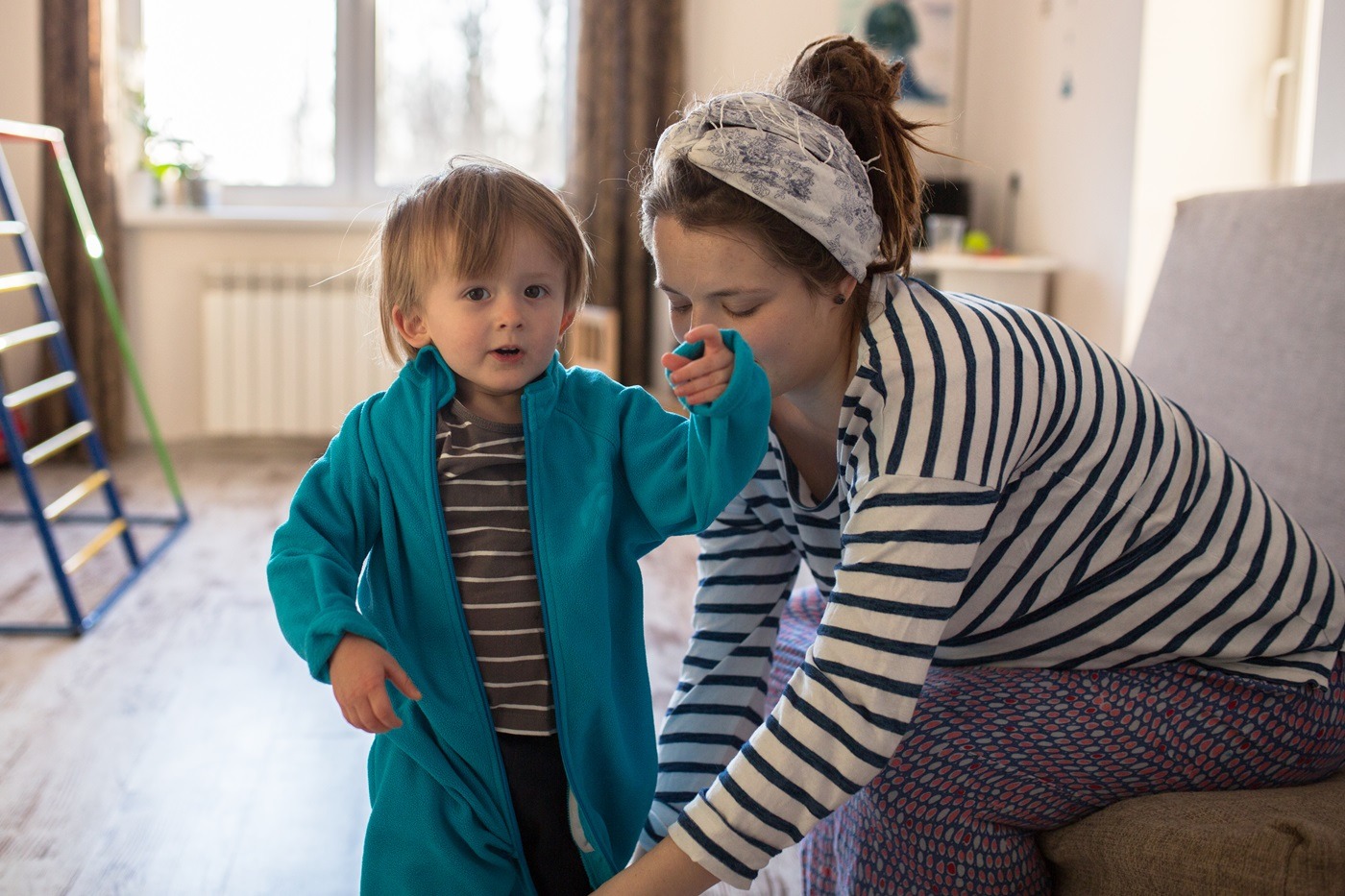
Dressing toddlers in layers can be a real challenge, especially when temperatures fluctuate throughout the day. Parents want their little ones to stay warm in the morning without feeling too hot by midday. Finding the right balance between comfort and style is essential for keeping toddlers happy and active.
One of the best ways to dress children in layers without overheating is by choosing breathable fabrics and lightweight clothing. Online stores such as The Trendy Toddlers offer a wide range of outfits designed to keep kids cozy without making them uncomfortable. The right materials and strategic layering allow parents to ensure their toddlers stay at the perfect temperature all day long.
How to choose the right fabrics and layers
The key to layering is selecting fabrics that allow air to flow while still providing warmth. Natural materials like cotton, bamboo, and linen are excellent choices because they help regulate body temperature. These fabrics absorb moisture and prevent toddlers from feeling sweaty or sticky.
Synthetic fabrics, such as polyester and nylon, should be used sparingly, as they trap heat and can cause discomfort. A mix of natural and synthetic fibers works well in colder months, especially for outer layers that need to be water-resistant. Soft wool blends are also great for layering in the winter, as they provide warmth without being too heavy.
Base layers for comfort
A good base layer sets the foundation for a well-balanced outfit. Toddlers should wear a lightweight, breathable top as their first layer. Cotton bodysuits or thin long-sleeve shirts work well for this purpose. These allow for flexibility while keeping the skin comfortable.
For colder weather, thermal tops made of cotton or bamboo are ideal. They provide warmth without being too thick. The base layer should always be fitted but not too tight and allow toddlers to move freely without restriction.
The middle layer for warmth
The second layer should add warmth while remaining breathable. Sweaters, vests, and lightweight fleece jackets work well in this category. Parents can choose zip-up options to make it easier to remove layers when needed.
A great way to ensure a toddler does not overheat is to pick outfits with adjustable features. Sleeveless vests and button-up cardigans are perfect because they can be easily added or removed. If the child starts to feel warm, parents can quickly take off this layer without having to change the entire outfit.
Outer layers for protection
The final layer should protect from wind, rain, or cold air. Depending on the season, this might include a lightweight rain jacket, a puffer vest, or a wool coat. Waterproof and wind-resistant materials are best for outdoor play, especially in unpredictable weather.
In mild temperatures, a denim or cotton jacket can serve as an outer layer. These materials offer coverage while still allowing airflow. Parents should avoid dressing toddlers in overly bulky coats unless it is freezing, as thick outerwear can trap heat and lead to discomfort.
When to remove the outer layer
A good rule of thumb is to check the child’s neck and back. If these areas feel warm or sweaty, it is time to remove the outer layer. Toddlers tend to run warmer than adults, so they might not need as many layers as parents assume. Keeping an extra layer handy in case temperatures drop again is always a good idea.
Layering for different seasons
Spring and Fall
These seasons require flexible layering since mornings can be cool while afternoons get warmer. A great combination for spring and fall includes:
- A cotton long-sleeve top as a base layer
- A lightweight sweater or vest for the middle layer
- A soft shell or denim jacket as the outer layer.
This setup allows parents to adjust clothes throughout the day without making toddlers uncomfortable. Light scarves and hats can also be added if needed but should be easy to remove.
Summer
Layering in the summer might seem unnecessary, but it can be useful for temperature-controlled indoor spaces. Air conditioning can sometimes make rooms too chilly, so having a light layer on hand is helpful. The best summer layering strategy includes:
- A short-sleeve cotton top as a base layer
- A thin cardigan or lightweight hoodie for cooler environments
- A sun hat for added protection outdoors.
Dressing toddlers in loose-fitting clothing also helps keep them cool while providing coverage. Natural fabrics like linen and bamboo are especially good for summer layers.
Winter
Winter layering requires more thought to prevent toddlers from getting too cold or overheating indoors. The best approach is to use three layers:
- A thermal or cotton base layer
- A warm middle layer such as a fleece or sweater
- A waterproof and insulated outer layer.
Accessories like gloves, hats, and scarves help protect against extreme cold, but they should be easy to remove once indoors. Avoid dressing toddlers in too many thick layers at once, as this can cause discomfort when moving around.
Practical tips for layering toddlers
-
Choose easy-to-remove layers
Toddlers move a lot, and frequent outfit changes can be frustrating. Outfits with buttons, zippers, or snaps make it easier to add or remove layers without hassle.
-
Monitor body temperature
Parents should check their toddler’s temperature by feeling their skin. If they seem too warm, removing a layer or switching to a lighter fabric can help. A toddler’s hands and feet can also indicate if they are too hot or cold.
-
Dress for the activity
If a toddler will be running around outside, they may need fewer layers than if they are sitting in a stroller. Dressing them in clothes that can easily be adjusted helps maintain comfort throughout the day.
-
Pack an extra layer
Weather conditions can change suddenly, and having a backup jacket or sweater ensures toddlers stay comfortable. It also provides peace of mind for parents as they know they are prepared for unexpected temperature shifts.
-
Avoid overly bulky clothes
Thick, heavy outfits can restrict movement and make it harder for toddlers to play freely. Instead of bulky sweaters or coats, layering multiple lightweight pieces allows for better temperature control.
The importance of breathability
Breathable fabrics prevent overheating while still providing warmth. Clothes from natural fibers allow air circulation and help toddlers stay comfortable in any environment. Parents should prioritize materials like cotton, wool blends, and linen over synthetic fabrics that trap heat.
When choosing outfits, labels that mention moisture-wicking or temperature-regulating properties can also be helpful. These features ensure toddlers remain cool even with multiple layers on.
To review
Dressing toddlers in layers does not have to be complicated. With the right fabrics, easy-to-remove pieces, and careful temperature monitoring, parents can keep their little ones comfortable without the risk of overheating. Adjusting outfits based on the season and activity level ensures toddlers stay warm when needed while still allowing their bodies to breathe.
Layering is about finding the right balance between warmth and breathability. When done correctly, it allows toddlers to enjoy their day without feeling too hot or cold. Parents who choose lightweight, flexible pieces will find it easier to keep their children comfortable in any weather.